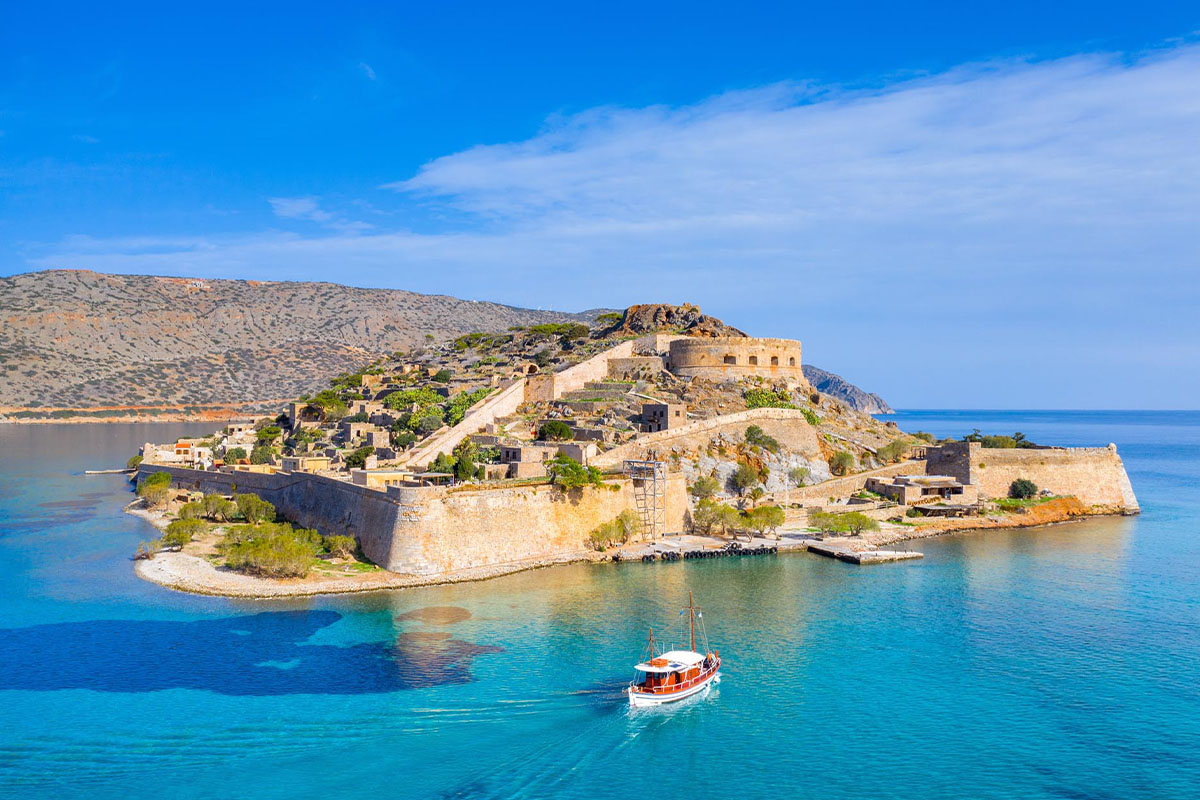
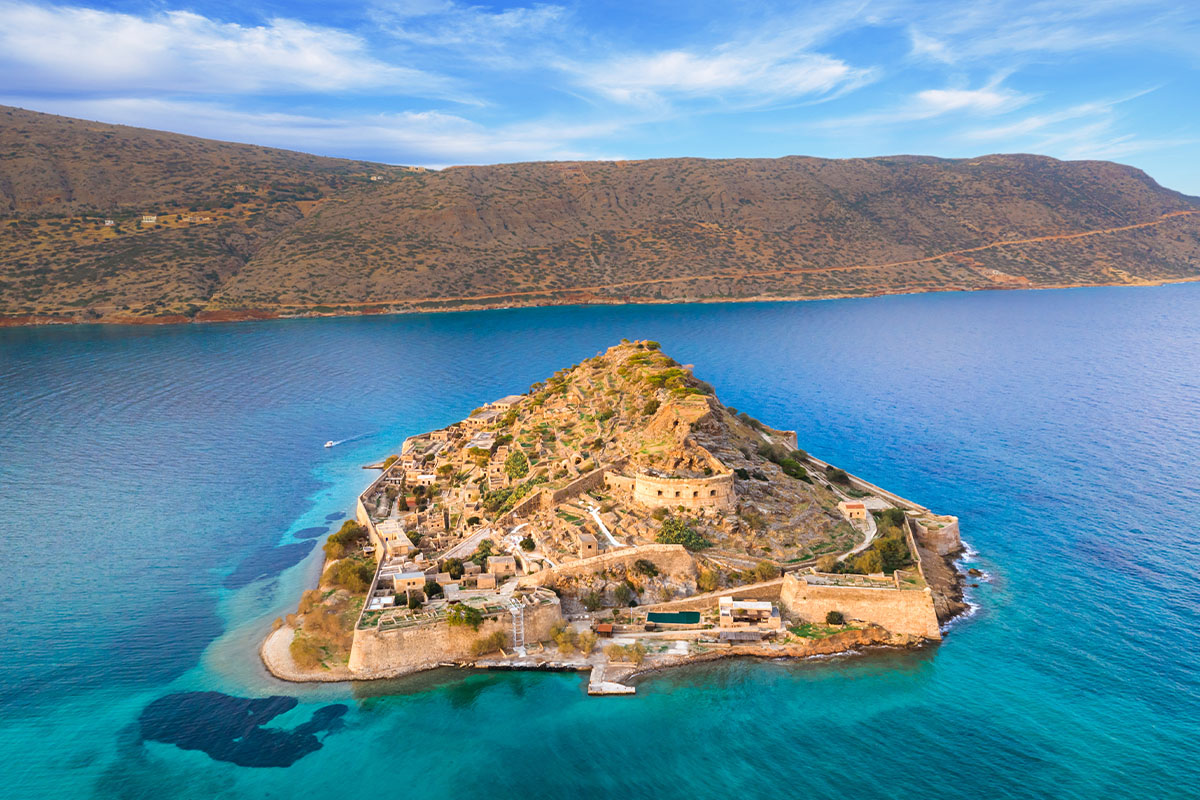
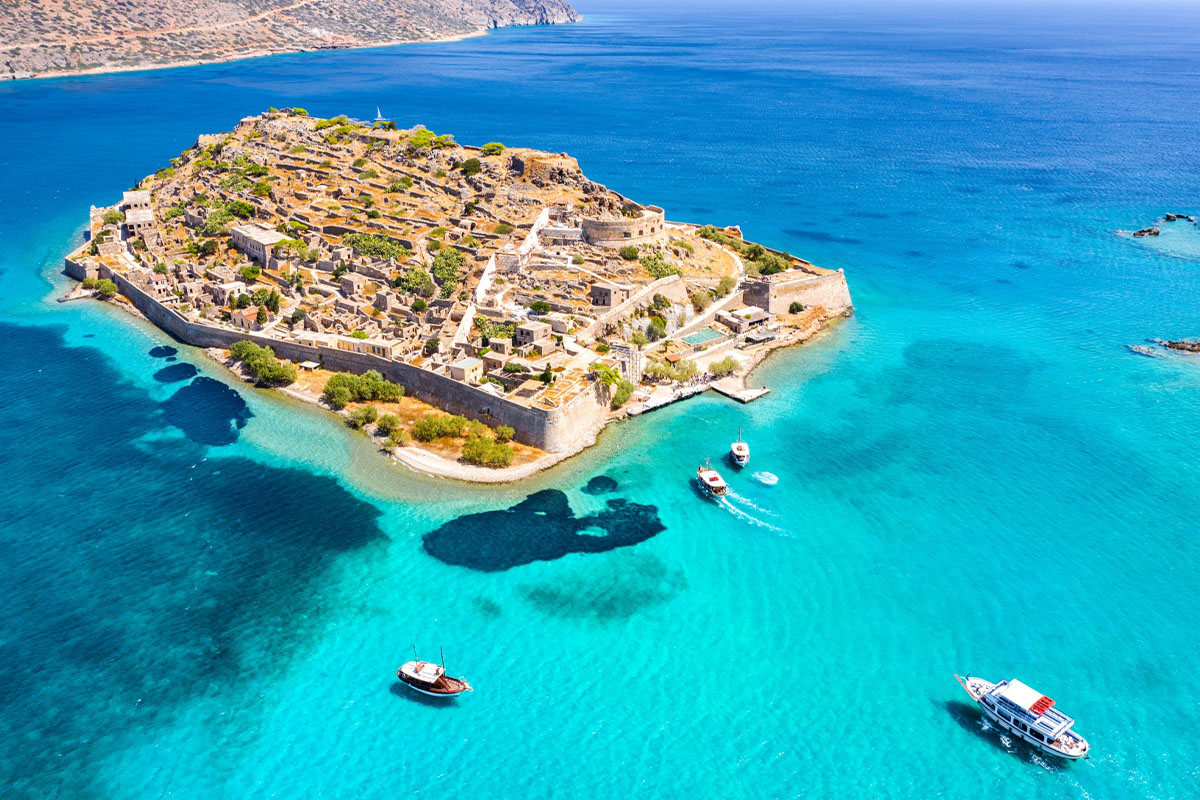
S pinalonga was fortified in 1579 by the Venetians to protect the bay of Elounda from pirate raids and Ottoman attacks. Its position was strategic, as it allowed the Venetians to control navigation in the Mediterranean. The fortress was built on the ruins of an ancient Hellenistic city and maintained its dominance for over a century, even after the Ottoman conquest of Crete in 1669.
From 1903 to 1957, Spinalonga became a leper colony, where patients from all over Greece were brought to live in isolation. Although life was hard at first, the lepers created an organised community, with shops, churches and social activities.
Today, Spinalonga is an open archaeological site and one of the most popular attractions in Crete. Every year, thousands of visitors come to learn about its history, walk through the ruined buildings and feel the atmosphere of a place that symbolizes human struggle, isolation and hope.
Spinalonga was fortified in 1579 by the Venetians to protect the bay of Elounda from pirate raids and Ottoman attacks. Its position was strategic, as it allowed the Venetians to control navigation in the Mediterranean. The fortress was built on the ruins of an ancient Hellenistic city and maintained its dominance for over a century, even after the Ottoman conquest of Crete in 1669.
A visit to Spinalonga is an experience that combines history, nature and excitement. Walking through the narrow streets of the island, visitors see the abandoned houses, hospitals, churches and the fortress, all of which bear witness to the hard times and the strength of the people who lived there.
Spinalonga is not just a popular tourist destination, but an island full of memories and historical significance. In addition to its well-known past as a leper colony, Spinalonga has a special cultural and architectural heritage, reflected in its Venetian walls, Ottoman remains and abandoned buildings that stand silent witness to another era. At the beginning of the 20th century, the leper community developed an organised society with its own system of governance, while medical monitoring and efforts to improve living conditions were among the first examples of social care in Greece.
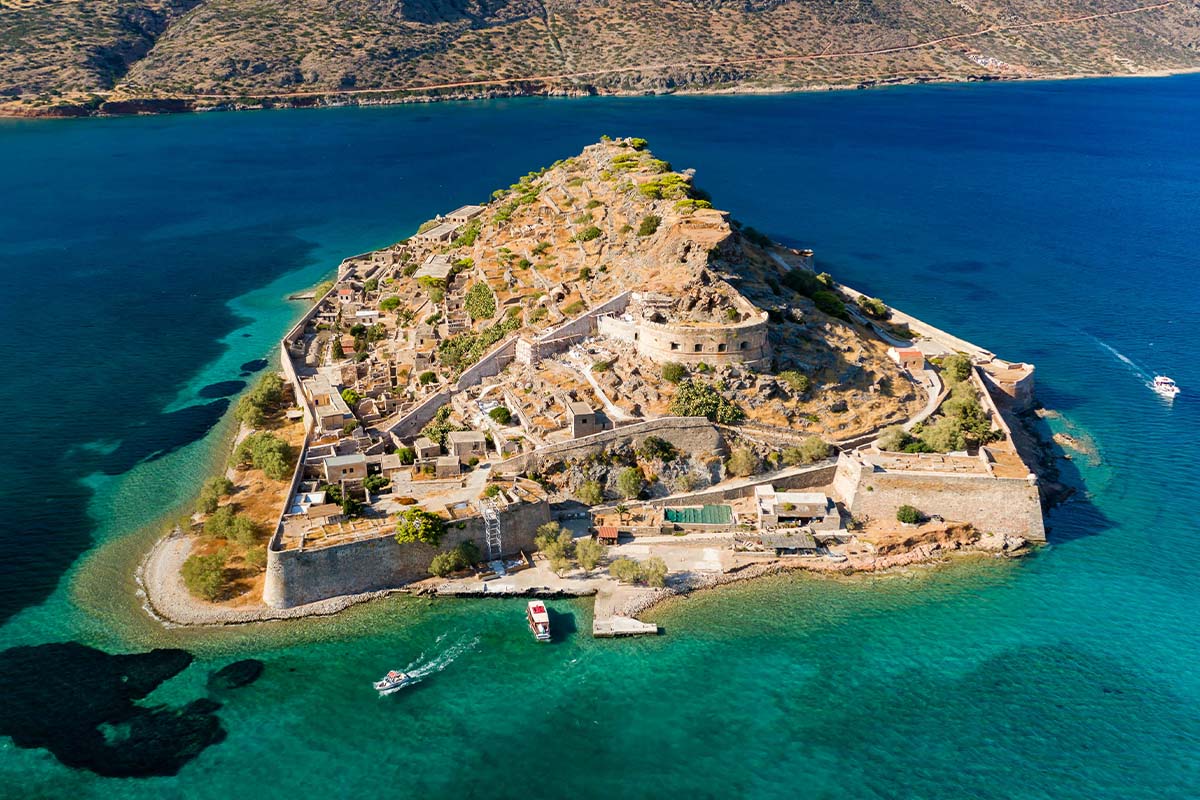
A visit here is much more than an excursion - it is a journey through time, human strength and the inexhaustible need for life.